Natural Pest Control: The 7 Best Pest-Repelling Plants for Your South Florida Garden
Maintaining a lush, vibrant green space in South Florida is rewarding, but our subtropical climate comes with a unique set of challenges. Between the year-round warmth, high humidity, and persistent garden pests, homeowners often find themselves reaching for chemical pesticides.
However, professional landscapers and eco-conscious gardeners know there is a better way. Instead of relying on harsh chemicals that can disrupt local ecosystems and harm beneficial pollinators like bees and butterflies, you can harness nature’s own defense system: pest-repelling plants.
Incorporating specific aromatic and defensive plants into your South Florida landscape not only adds texture and beauty to your property, but it also creates an organic, sustainable barrier against common local insects.
Here are the top 7 plants you should integrate into your garden design to keep your yard thriving naturally.
Why Natural Pest Repellents Work
The secret behind these plants lies in their potent natural essential oils, which contain compounds like citronellal, geraniol, linalool, and eucalyptol. While these aromatic molecules are pleasing or harmless to us, they irritate or overwhelm the olfactory systems of many common pests, making it difficult for them to locate your prized ornamentals, vegetables, or fruit trees.
Unlike synthetic pesticides, these plants protect your yard without polluting groundwater or harming beneficial insects, all while thriving gracefully in our warm climate.
Top 7 Pest-Repelling Plants for South Florida
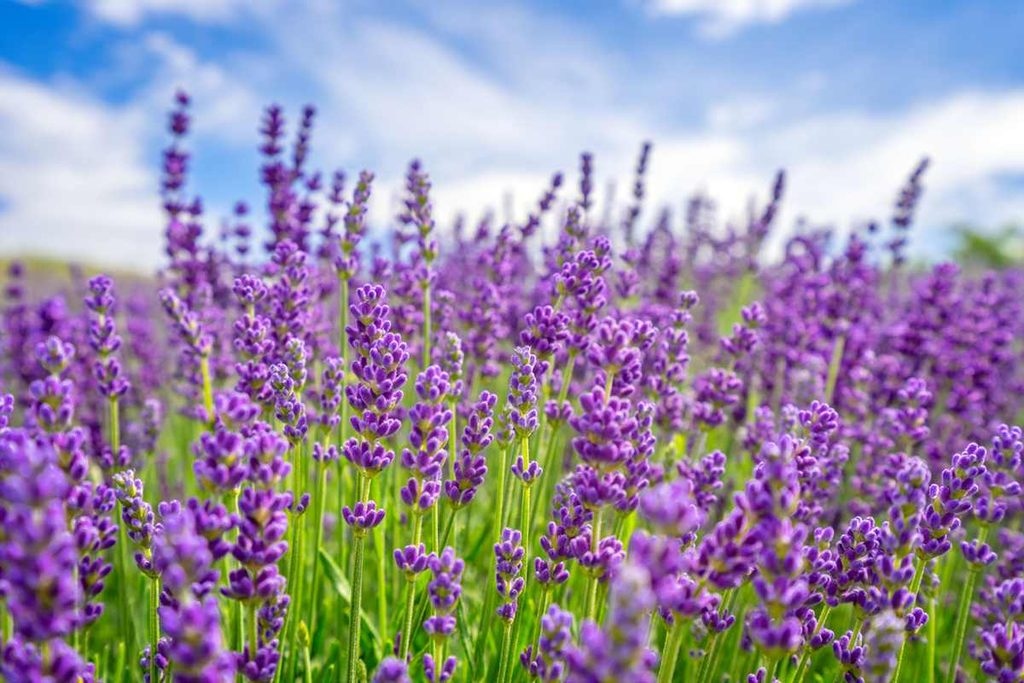
1. Lavender (Lavandula)
What it repels: Mosquitoes, moths, fleas, and whiteflies.
Florida Tip: While traditional lavender can struggle with South Florida’s high humidity, varieties like Spanish lavender or planting them in well-draining pots (or raised beds near sunny patios and entryways) perform wonderfully.
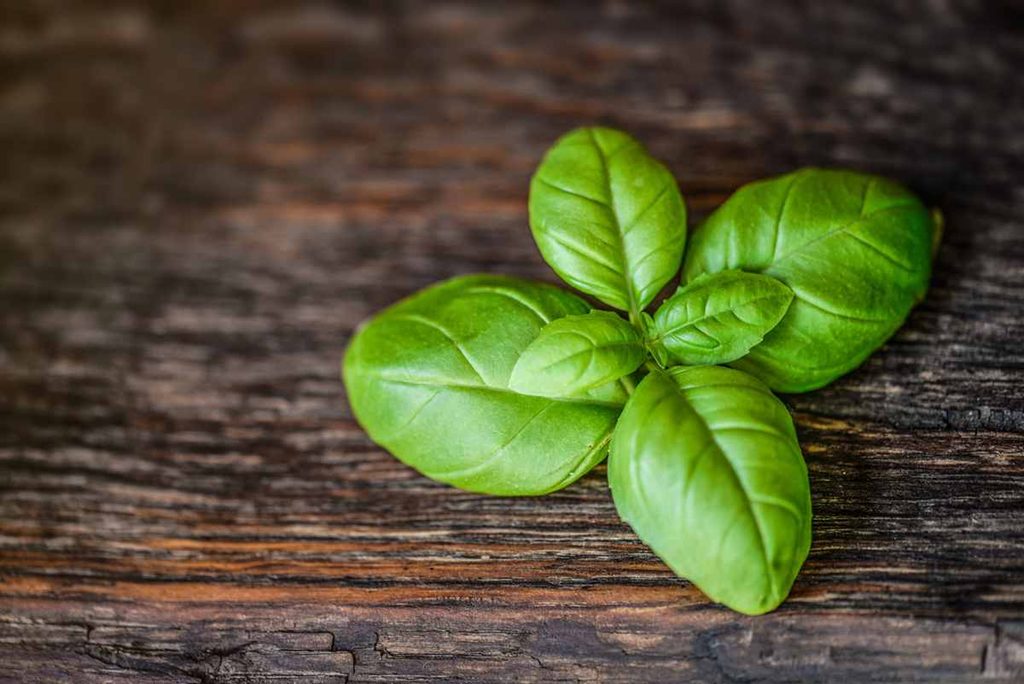
2. Basil (Ocimum basilicum)
What it repels: Mosquitoes, whiteflies, aphids, and thrips.
Florida Tip: Basil loves the heat! Plant sweet basil directly into your vegetable garden or mix pots of it among your flowering ornamentals. As a bonus, it protects neighboring plants while staying fresh for your kitchen.
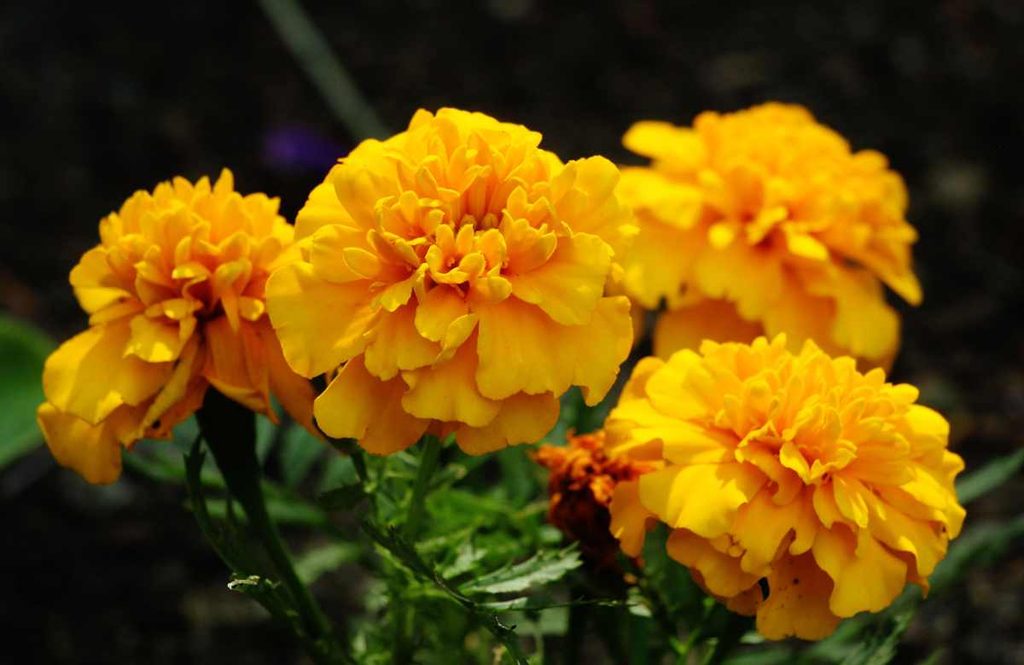
3. Marigolds (Tagetes)
What it repels: Soil-dwelling nematodes, root-knot pests, and various flying insects.
Florida Tip: Marigolds are absolute powerhouses in Florida soils. Their roots secrete a natural substance that deters destructive nematodes, making them the ultimate companion plant to line your garden beds or vegetable plots.
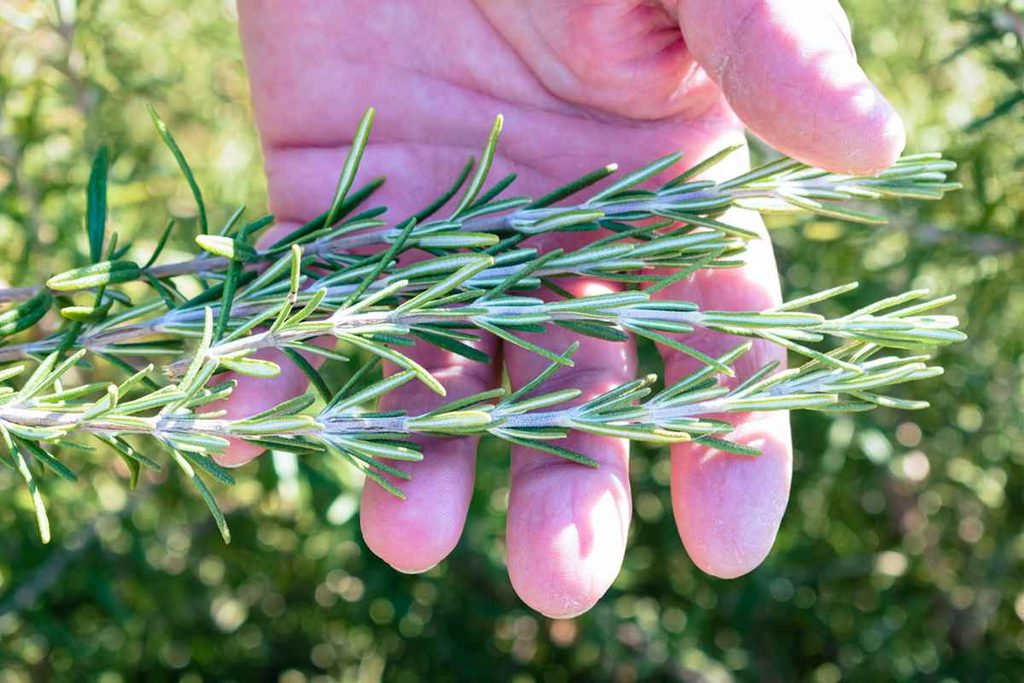
4. Rosemary (Rosmarinus officinalis)
What it repels: Mosquitoes, flies, and certain garden beetles.
Florida Tip: Rosemary thrives in the Florida sun and tolerates dry spells remarkably well once established. Plant it along sunny borders, walkways, or near patio seating areas where you can brush against its fragrant needles.
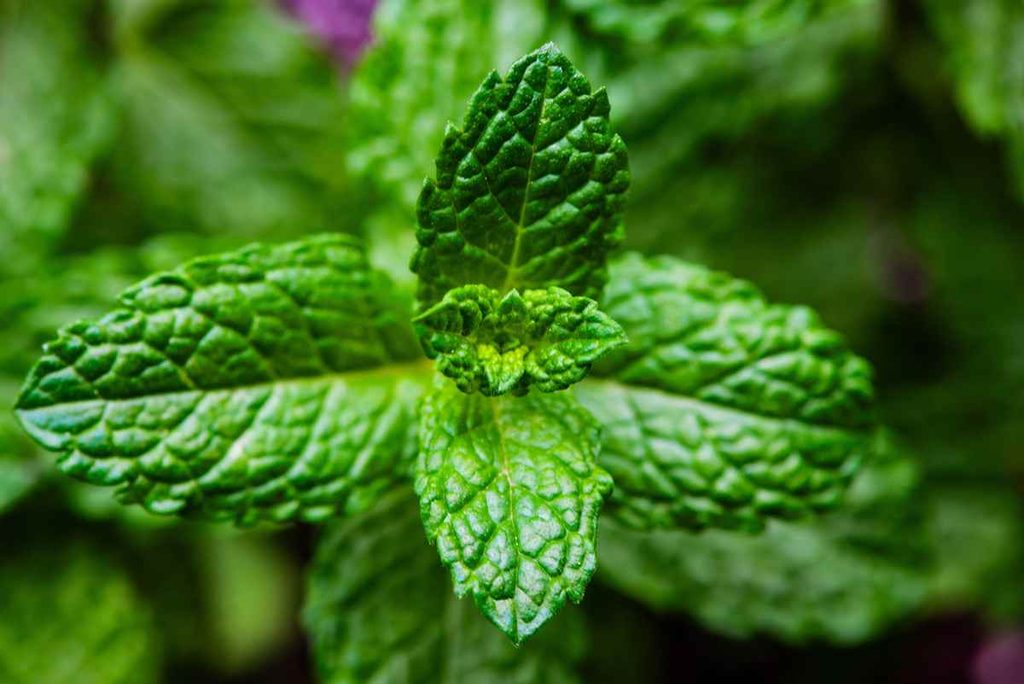
5. Mint (Mentha)
What it repels: Ants, mosquitoes, moths, and aphids due to its high menthol content.
Florida Tip: Mint loves moisture, but be cautious—it grows aggressively. Always plant mint in containers or dedicated pots rather than directly in the ground, or it will quickly take over your entire garden bed.
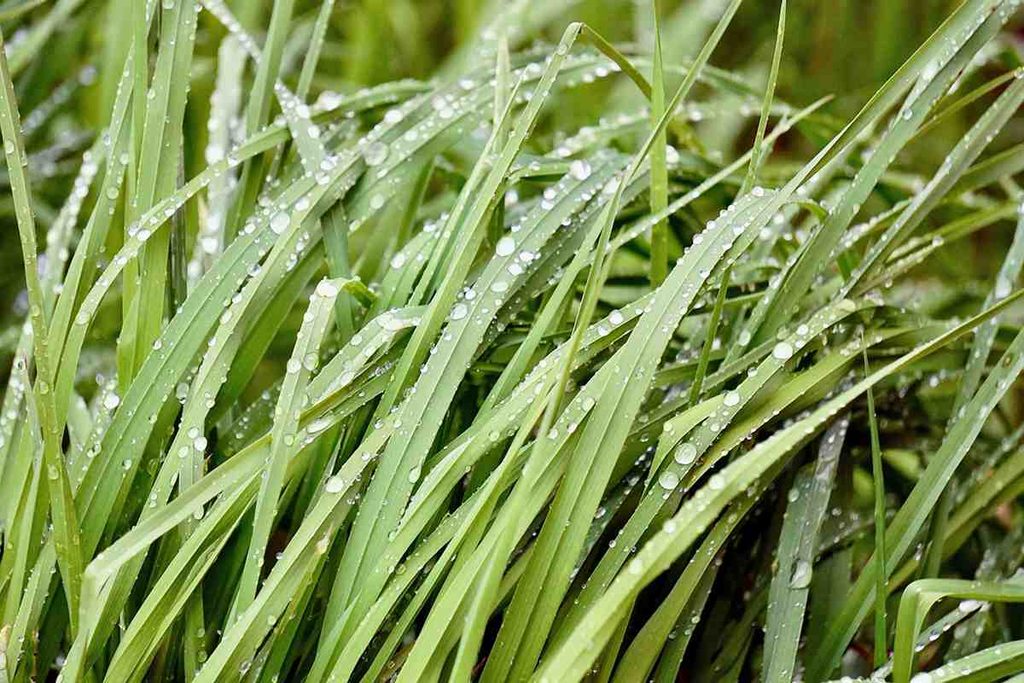
6. Citronella Grass (Cymbopogon nardus)
What it repels: Mosquitoes.
Florida Tip: This is a classic choice for South Florida outdoor living. Growing up to 5 feet tall, this hardy, sun-loving perennial loves direct sunlight and well-drained soil, making it a stellar backdrop plant for pool decks and back porches.
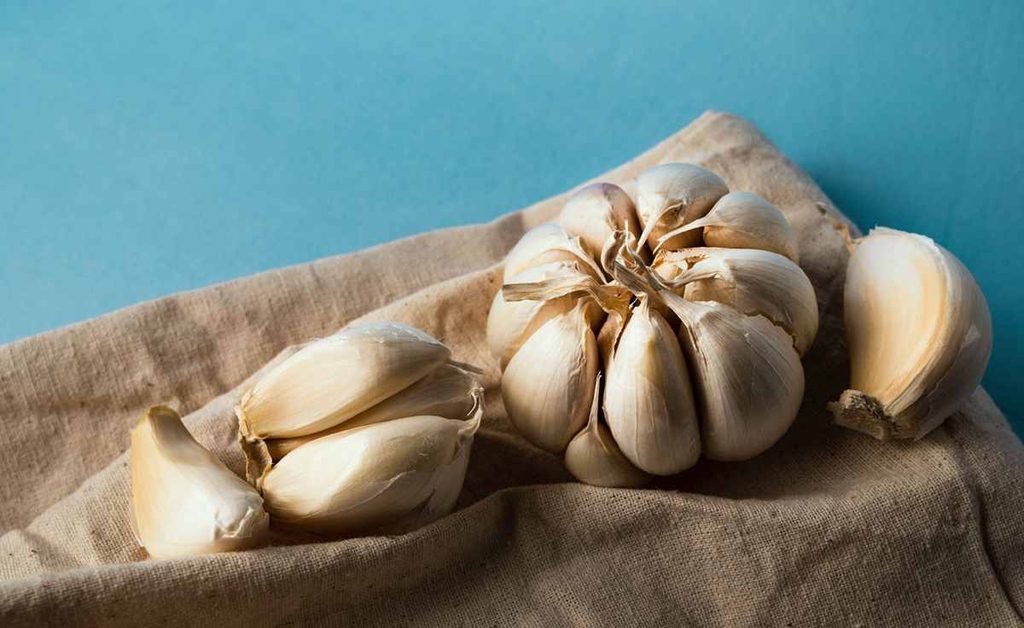
7. Garlic (Allium sativum)
What it repels: Aphids, Japanese beetles, slugs, and snails.
Florida Tip: Planting garlic around the perimeter of your garden creates a potent underground and surface barrier. Many common Florida garden pests dislike its sulfur compounds and will refuse to cross the border.
How to Design a Protected Landscape in Miami
To maximize the impact of these natural defenders, professional landscapers recommend a layered planting strategy:
The Outer Perimeter: Create a protective border around your property lines or patio zones using taller, sun-loving plants like rosemary and citronella grass to stop flying insects before they reach your main living areas.
Companion Planting: Intercalate aromatic herbs like basil and mint directly among your flowers or edible container gardens. For instance, pairing basil with susceptible plants naturally disrupts pests like whiteflies.
Strategic Borders: Line your garden pathways and foundation planting beds with marigolds and lavender to add vibrant color contrast while keeping soil and surface pests at bay.
Pro Tips for Maintaining Your Natural Defense System
Match Sun and Soil: South Florida sunshine is intense. Ensure sun-lovers like rosemary, marigolds, and citronella get full sun, while monitoring moisture levels since high humidity can lead to root rot if drainage is poor.
Regular Pruning: Regular trimming isn’t just for aesthetics; pruning stimulates fresh new growth, which contains the highest concentration of the essential oils that repel pests.
Keep Plants Healthy: A stressed plant produces fewer defensive oils. Provide adequate organic compost and balanced care to keep your natural defenders strong.
Transform Your South Florida Outdoor Space Today
Integrating pest-repelling plants is a fantastic first step toward a healthier, more sustainable landscape. Whether you are looking for comprehensive lawn maintenance, custom landscape design, or expert property remodeling in Miami and surrounding areas, our team is here to help you build a stunning, low-maintenance outdoor oasis.
Contact Apex lawn & pressure washing today to elevate your South Florida landscape!
administración
Especialista en desarrollo web, estrategia digital